New York Times Learning Network: Symmetry and Soccer Balls
My latest contribution to the New York Times Learning Network’s 15-Minute Lesson Plan series was inspired by Siobhan Roberts’s wonderful article on the geometry of the soccer ball.
Math is all around us, from the motion of the planets above to the movement of bits and bytes through the internet. And as this article from The Times shows, there’s even math at the tips of our toes.
Here’s the author, Siobhan Roberts, on the mathematically marvelous soccer ball:
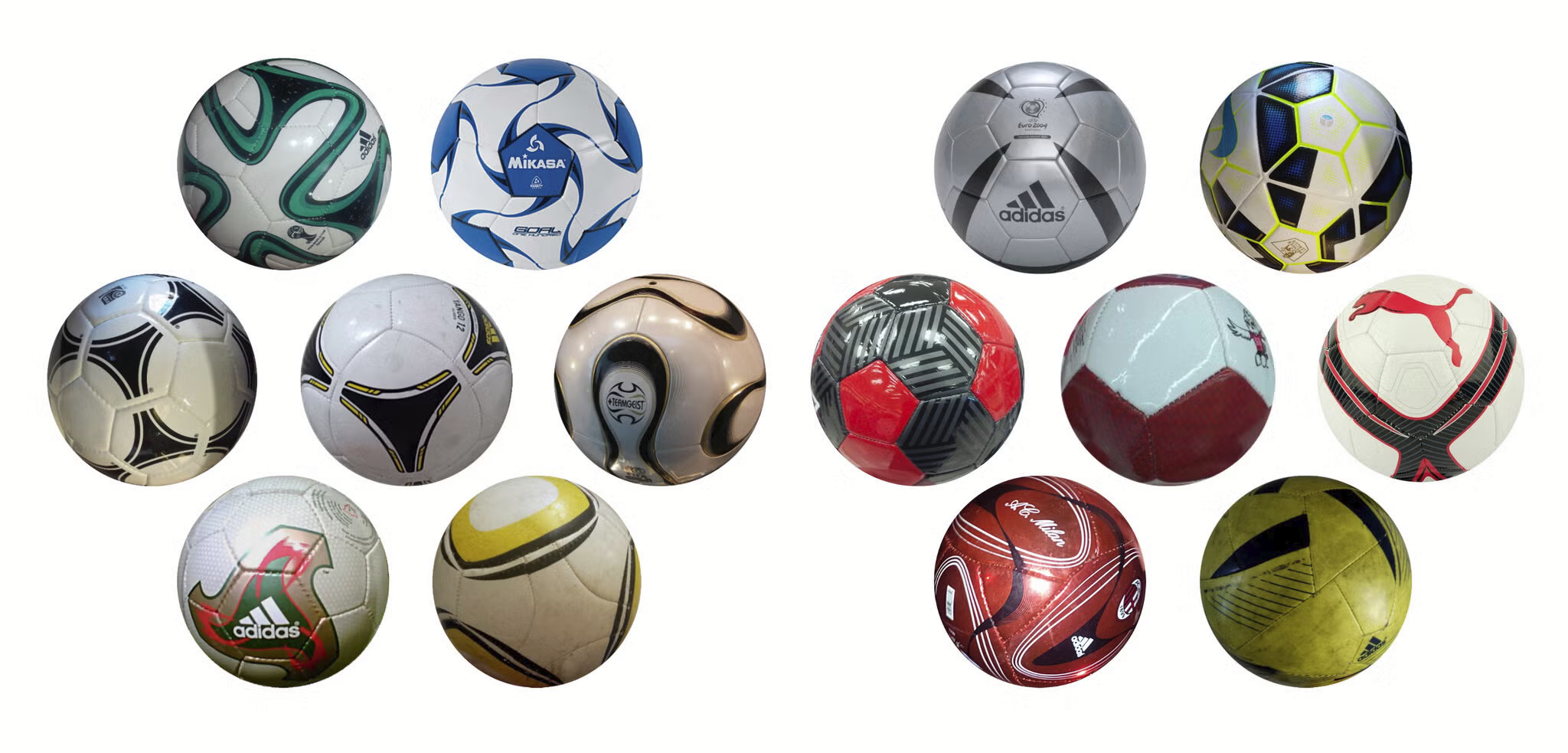
Given its patchwork construction and graphic patterns, a soccer ball can have two types of symmetry: reflection symmetry and rotation symmetry. Reflection symmetry means what it sounds like: that the object “has two identical halves that are mirror images of each other,” in Dr. Schattschneider’s words. Rotation symmetry means an object looks exactly the same as its starting position after a rotation of less than 360 degrees.
The Learning Network article is freely available here and grants free access to all of the linked Times articles as well.
Related Posts
1 Comment
CurvG · November 5, 2026 at 9:51 am
The split between reflection symmetry and rotation symmetry is the part a short lesson can actually test. Reflection is the mirror-half check. Rotation is stricter: the ball has to look the same after a turn of less than a full circle, not only after a flip. A soccer ball already has the patches, so students can see that difference without a new diagram. When they check rotation, do you have them mark one panel and turn the ball, or match the pattern to a picture of the same ball already turned?