Scientific American on the Rosenthal Prize

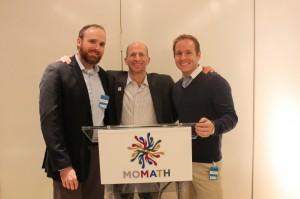
rosenthal prize imageI am proud to be featured in the Roots of Unity blog at Scientific American.

Evelyn Lamb’s piece, “Award Winning Teachers Put Math on Hands and Heads“, reports on the inaugural Rosenthal Prize for Innovation in Math Teaching, presented by the Museum of Mathematics.

As runner-up for the Rosenthal Prize, I was interviewed for the piece, and had a chance to talk about my teaching philosophy, my award-winning lesson, and the value of hands-on, collaborative activities in mathematics class.  In summarizing my approach to teaching mathematics, I said

“I want the classroom to be a place where we explore ideas together, where students can play around, experiment, collaborate, argue, create, and reflect on everything.”

The purpose of the Rosenthal Prize is to encourage and promote innovative, replicable math activities that engage and excite students.  I’m honored to be a part of this endeavor, and I look forward to more fun and creative math lessons being shared in the future.

Spiral Shadows

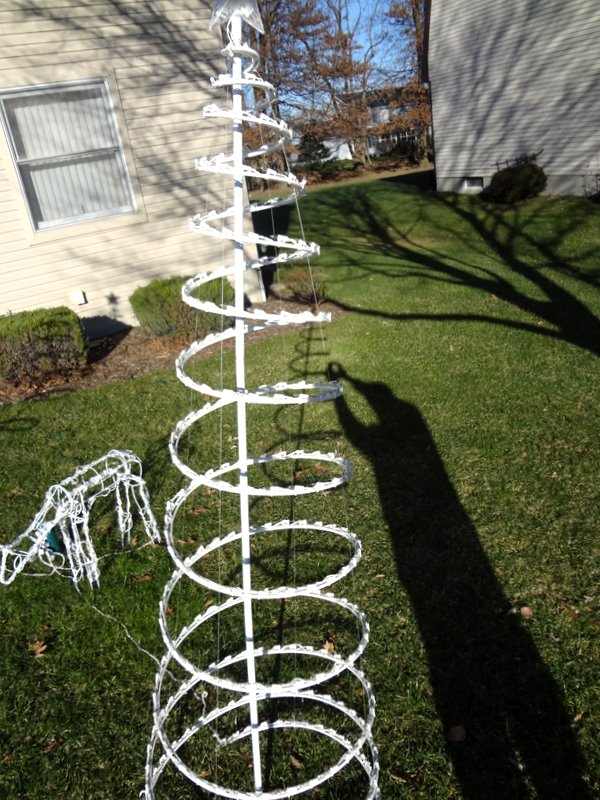
Studying vector calculus tends to make you see space curves everywhere you go.  Here’s a conical helix (or a helical cone?).

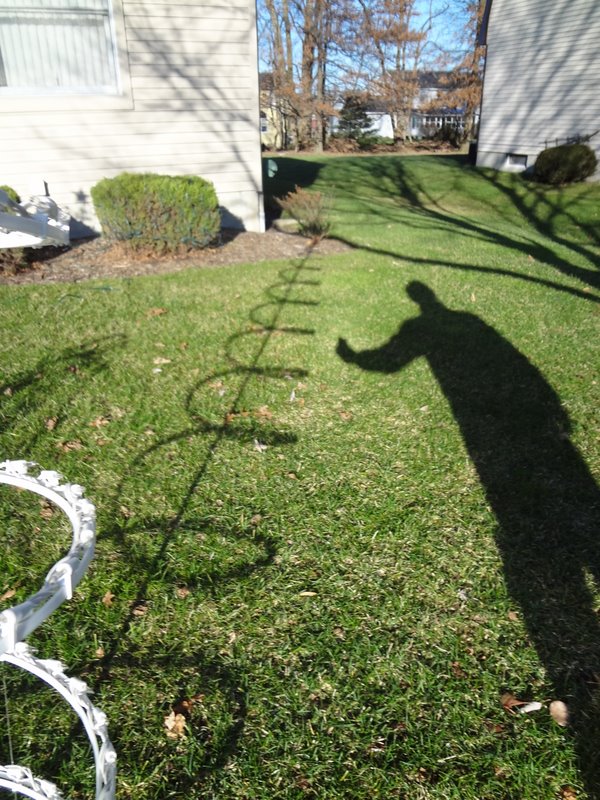
A good way to understand the behavior of curves in space is to understand how their projections behave.  The sun does a nice job of showing us one such projection of this space curve.

This suggests a common mathematical practice:  trading a hard problem for an easier one.  Space curves can be difficult to analyze, but their projections are more easily understood.  And by understanding its projections, you can develop knowledge of the space curve itself.

Of course, it’s important to understand what information you lose through the projection, as well!

Math Lesson: How is Math Beautiful?

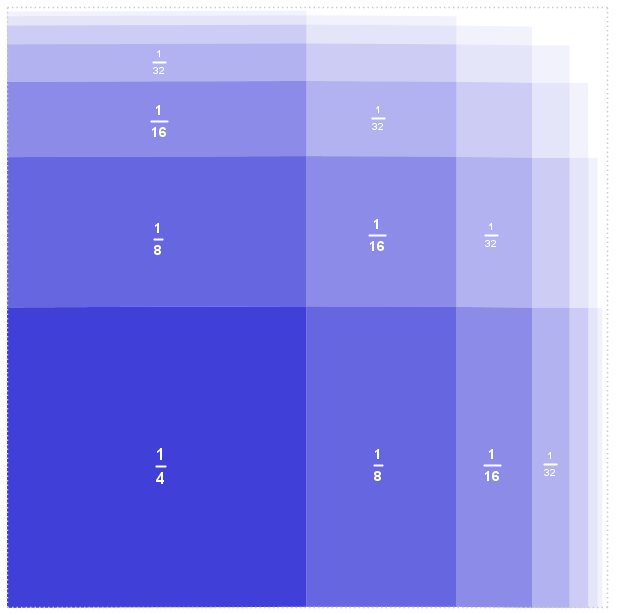
momath imageMy latest contribution to the New York Times Learning Network is the lesson “How Is Math Beautiful? Exploring by Creating“.

This lesson is inspired by the new Museum of Mathematics.  After reading about the mission of the Museum and some of its exhibits, students are challenged to create their own exhibit of mathematics.  The goal is for students to explore, capture, and communicate the beauty of mathematics.

Some suggestions for exhibits are tilings of the plane, mathematical photography, and different kinds of mathematical sculpture.  What are some other suggestions that would excite students about sharing the beauty of mathematics?

Follow

Get every new post delivered to your Inbox

Join other followers: